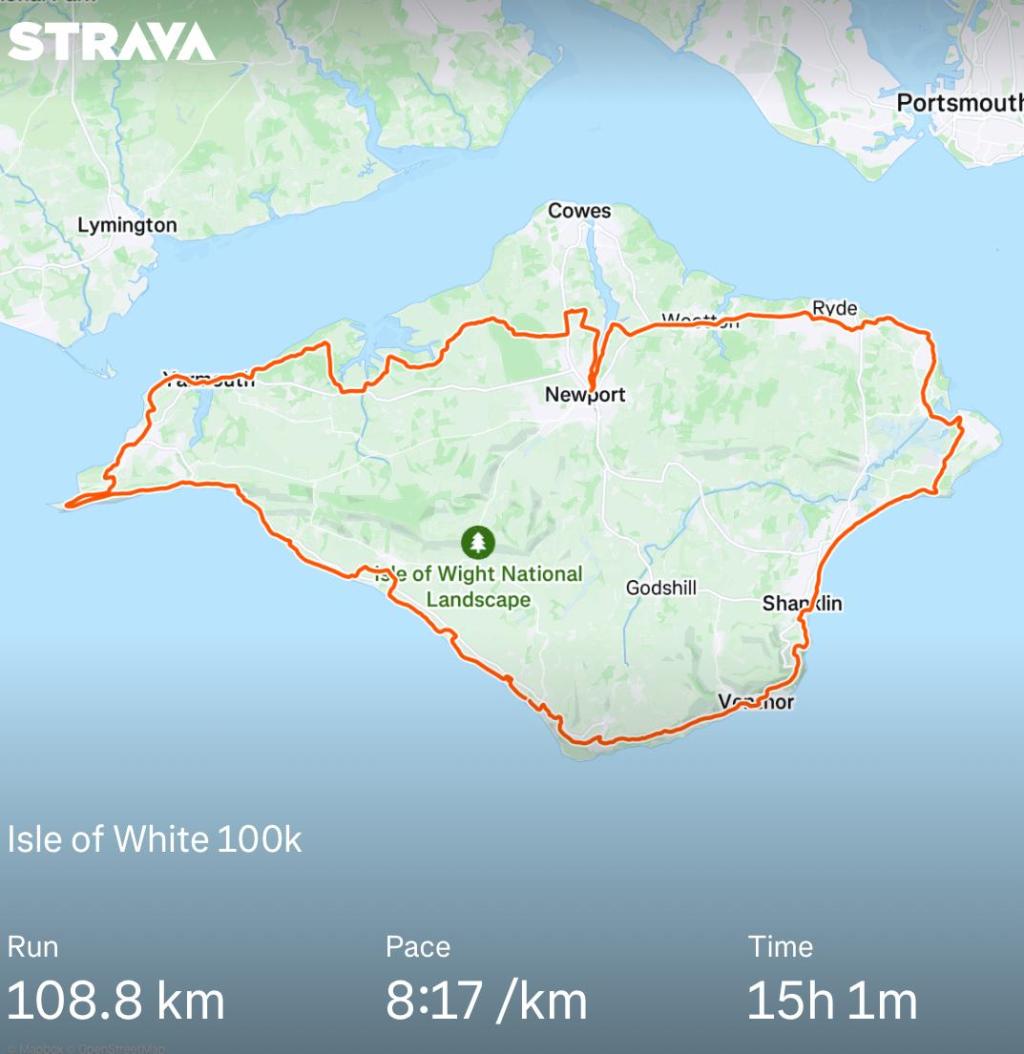
The Isle of Wight ultra challenge is an ultra-running race organised by Ultra Challenge. The route circumnavigates the entire island, beginning and ending in Chale, and is approximately 108 km.
The route is spectacular, and the majority of it runs along the coast, and it varies a lot. I saw white cliffs, golden sandy beaches, woodland and everything in between. The climb up to and run along the “Needles”, on the west side of the island, was especially awesome!
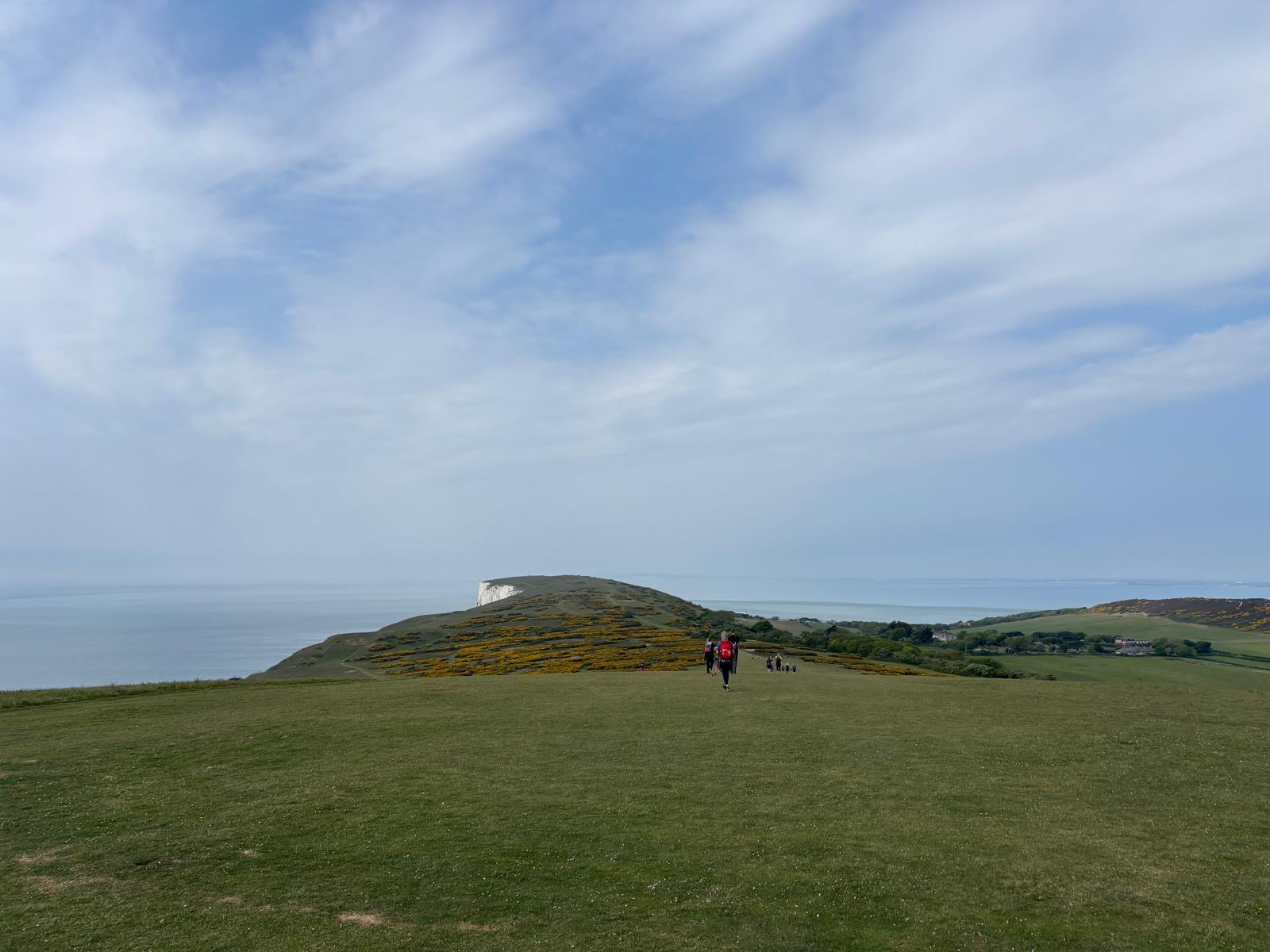
I was assigned the latest start time of 9 a.m., so the very last wave of runners and walkers. This has a good and bad side to it; good because I got to see and speak to some of the nearly 1,800 other participants as I passed them on the route, bad because I had to pass a large number of them in the first half of the course which proved technically challenging on some of the narrow paths.
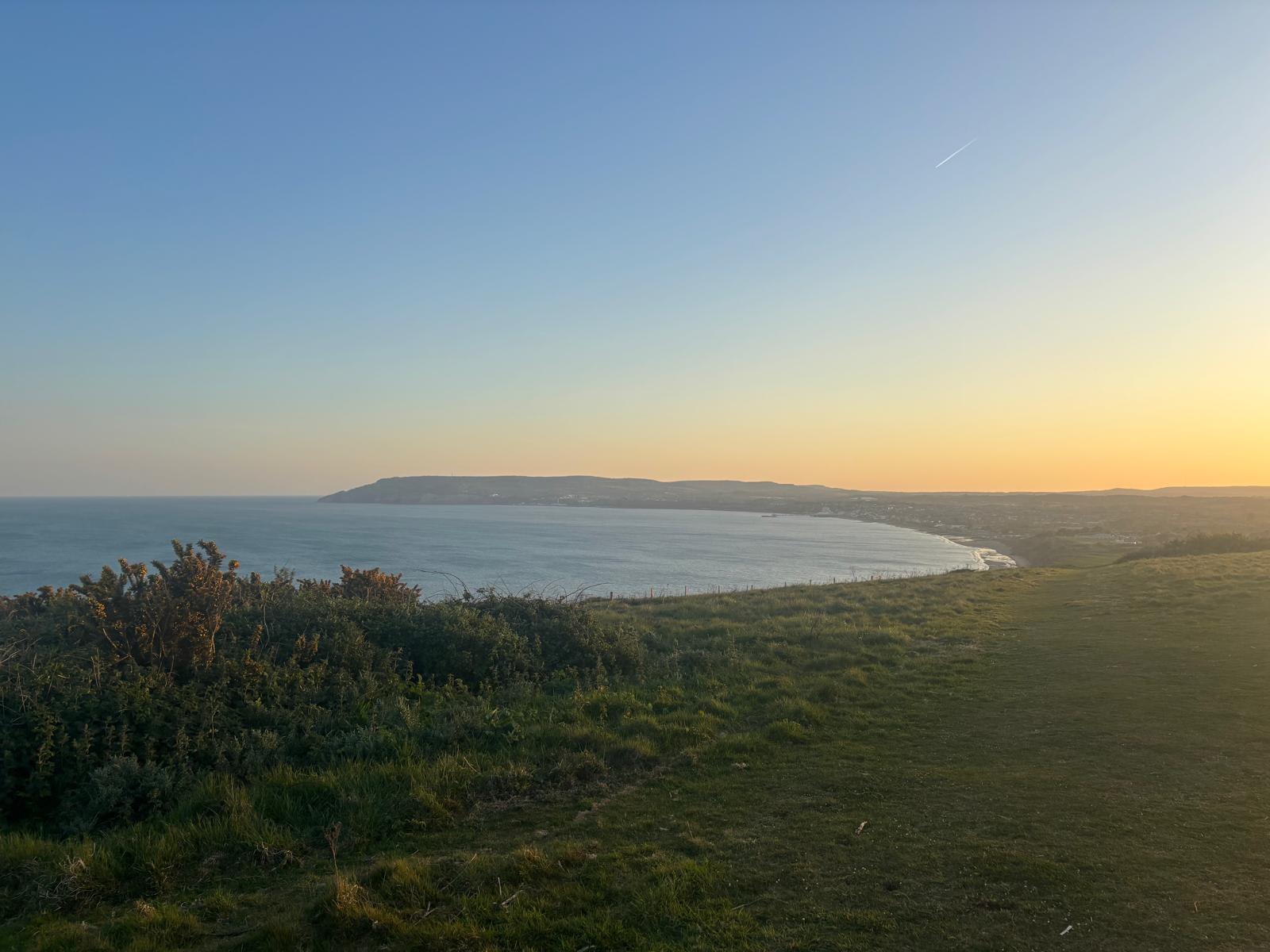
In future, I will try to ensure I get an earlier start wave. Not just because of the path congestion, but because having a slow wake-up and start to the race wasn’t as good as I thought it would be. I think that I am probably more suited to a 6 a.m. or 7 a.m. start time for these longer races.
I did not stick to a strict nutrition or pacing strategy for the race, other than to ensure I consumed 180 grams of PFH gels, one flask of Tailwind and one 30g chew between the major aid stations, which were every 25 kms approximately.
I stopped and took my time at the halfway aid station, at around 55 km, and ate a cooked meal of vegetables and pasta. The aid stations were exceptional, probably the best in any race I’ve experienced. Stocked with all kinds of fresh food, and cooked meal options. Lots of tables and chairs, massive gazebos and lots of loos. There was even the option for a massage at the halfway or 75 km aid station, and there were portable showers at the end.
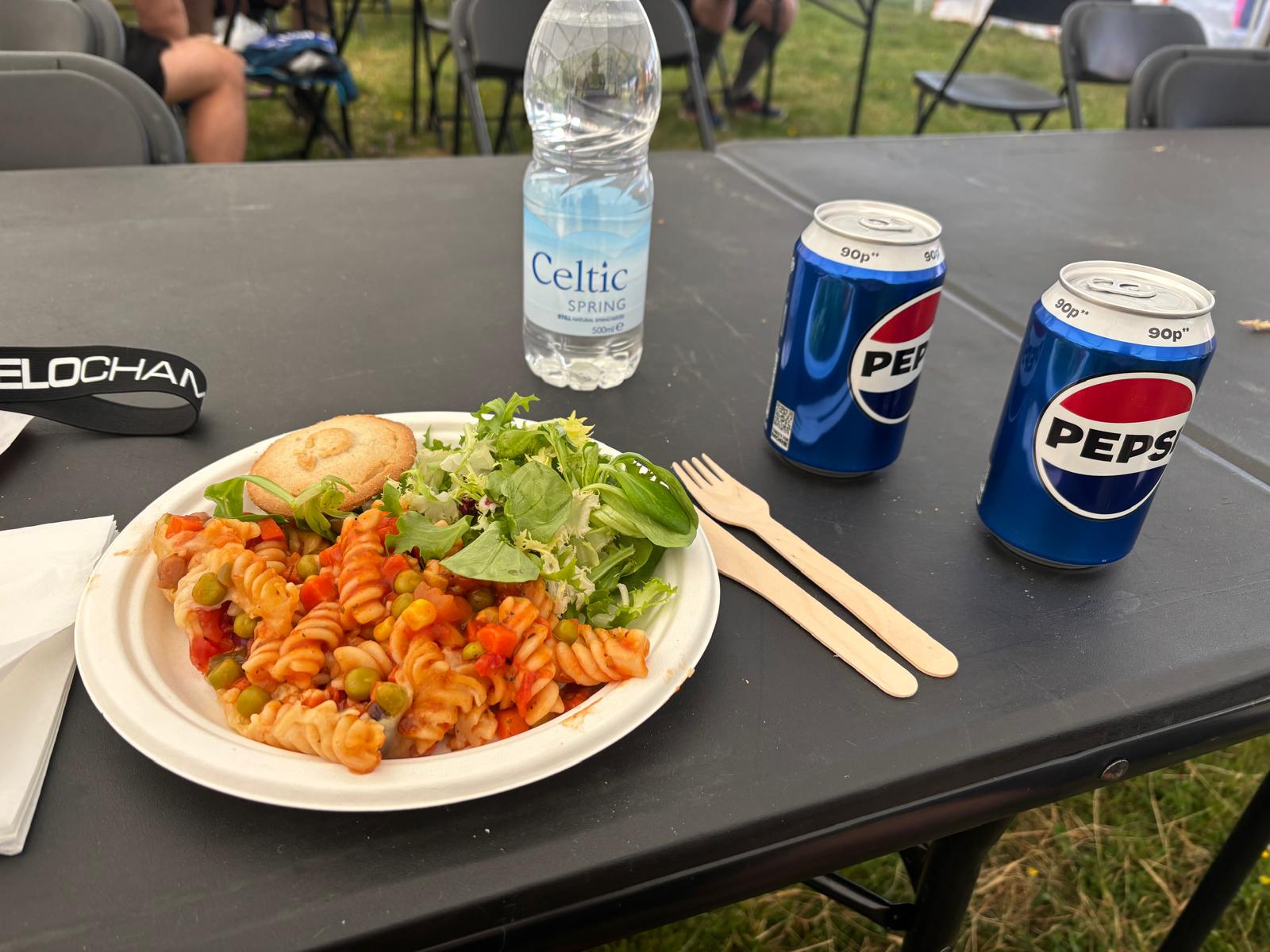
I started to get some food fatigue around the 75 km mark, with some dry retching now and then as I was trying to stay on top of my gel and Tailwind intake. Naturally, I started to consume fewer concentrated sugary carbs, and ate more bananas, and hot chocolate at a couple of aid stations, which helped a lot.
I need to work better on my nutrition in the later stages of these races and find an efficient way to keep consuming large amounts of carbs deep into races so that I can keep going when I start 100 mile races next year. I cannot run on empty after 100 kms with 60 kms still to go.
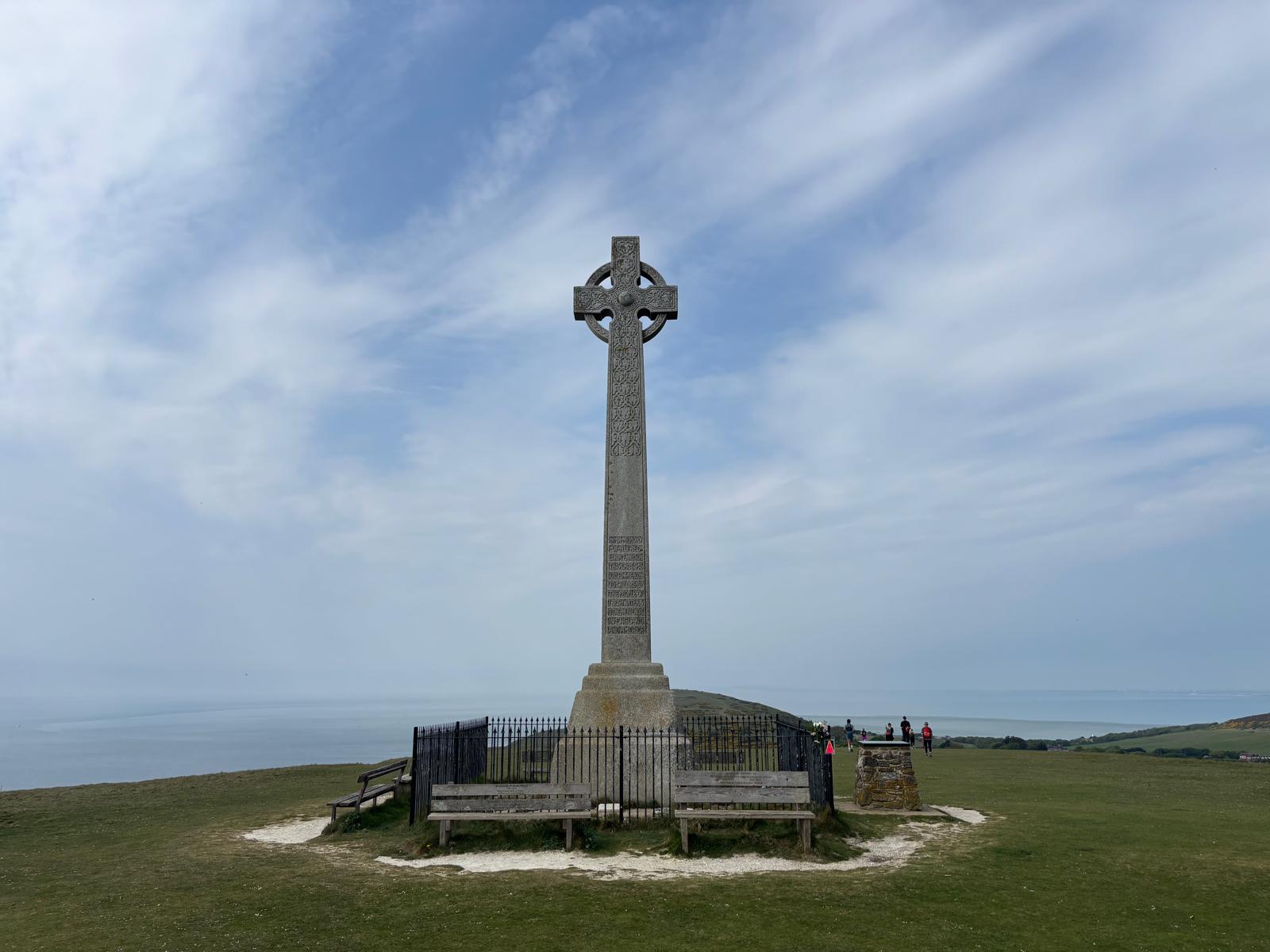
From the last major aid station to the finish, my legs were feeling heavy, and my quads were sore. More so than in recent races. I climbed 1,756 m, and the climbing and descending occurred frequently along the majority of the course, which made it tough going, and generally one of the tougher courses I’ve completed at this distance, and definitely not what I expected.
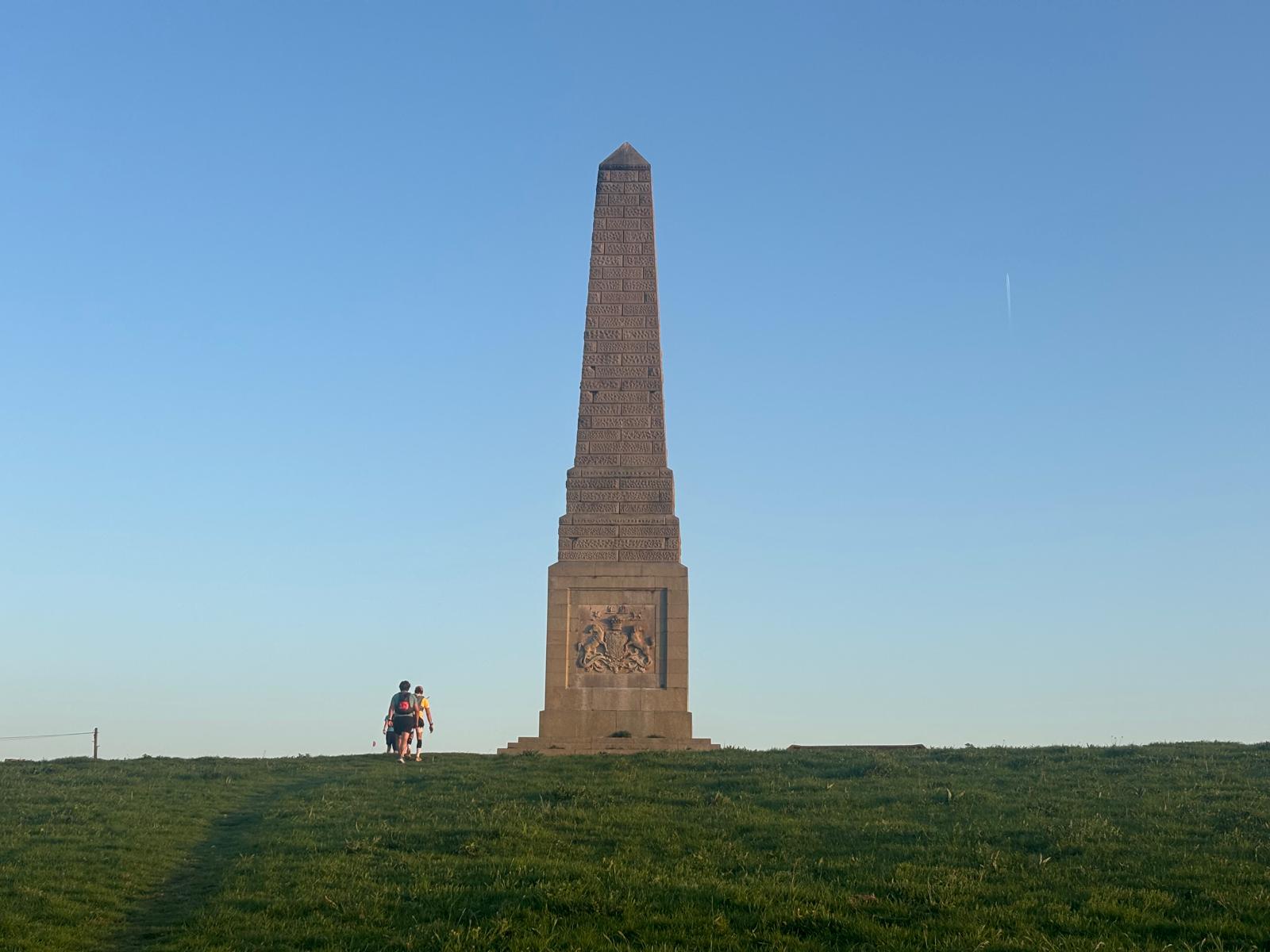
It’s possible (probable) I still carried quite a lot of fatigue from the Brighton to London 100km race I completed the weekend before this race. But I wanted to see how my body would cope with attempting another ultra-distance race so soon after another one.
Now I know one week is not long enough for my body to fully recover, and be able to push consistently. I wasn’t carrying any major injuries, and didn’t get injured, but there was an exhaustion I was experiencing that only surfaced in the later stages of this race, that I think was partially caused by fatigue.
Is two weeks long enough? I will find out later this year.
I am happy with my performance. I am getting better at reminding myself to always try to be running, and the walking breaks I had to take towards the end never lasted for very long, so I am improving here.
What a beautiful place to run.
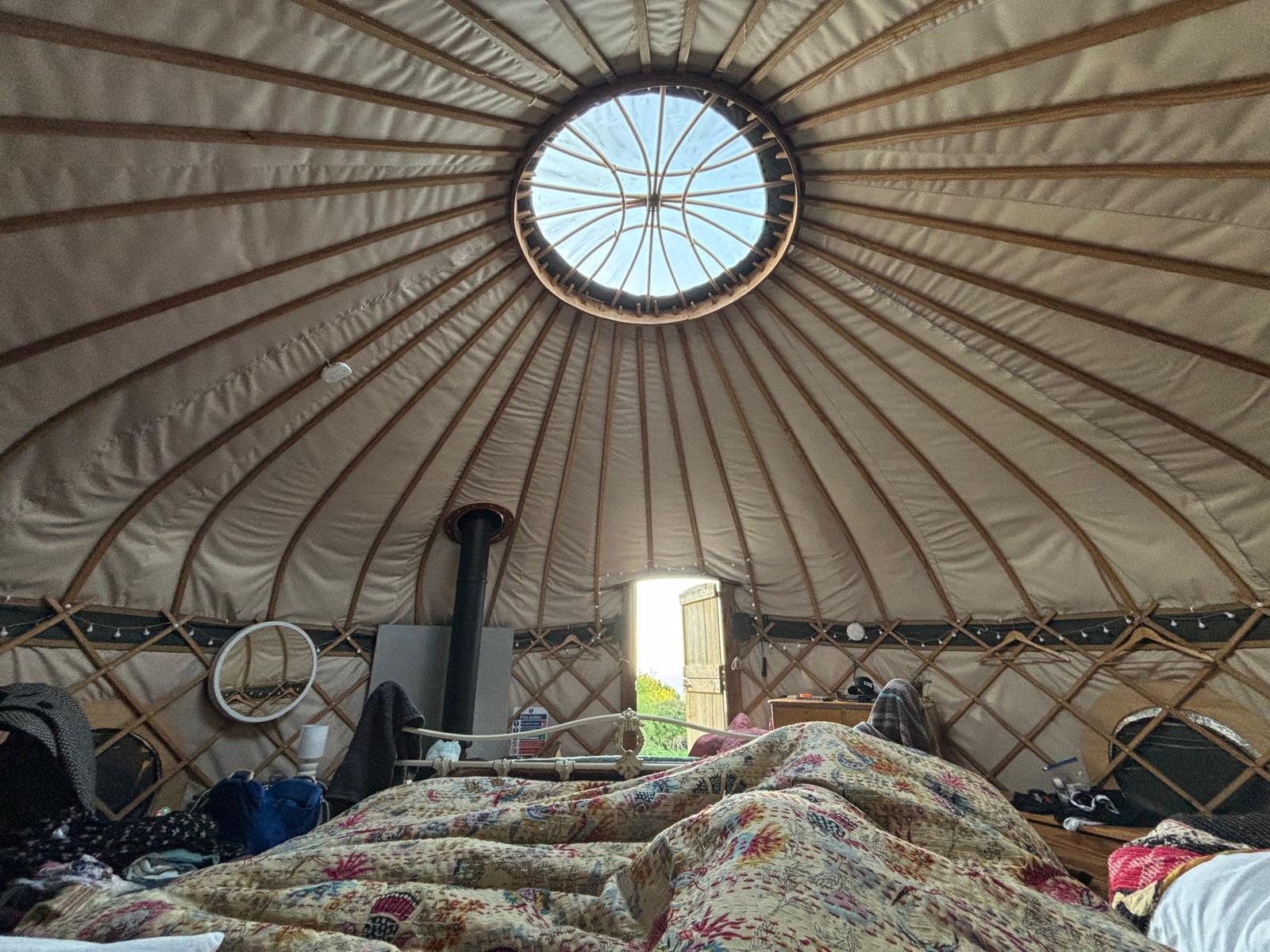
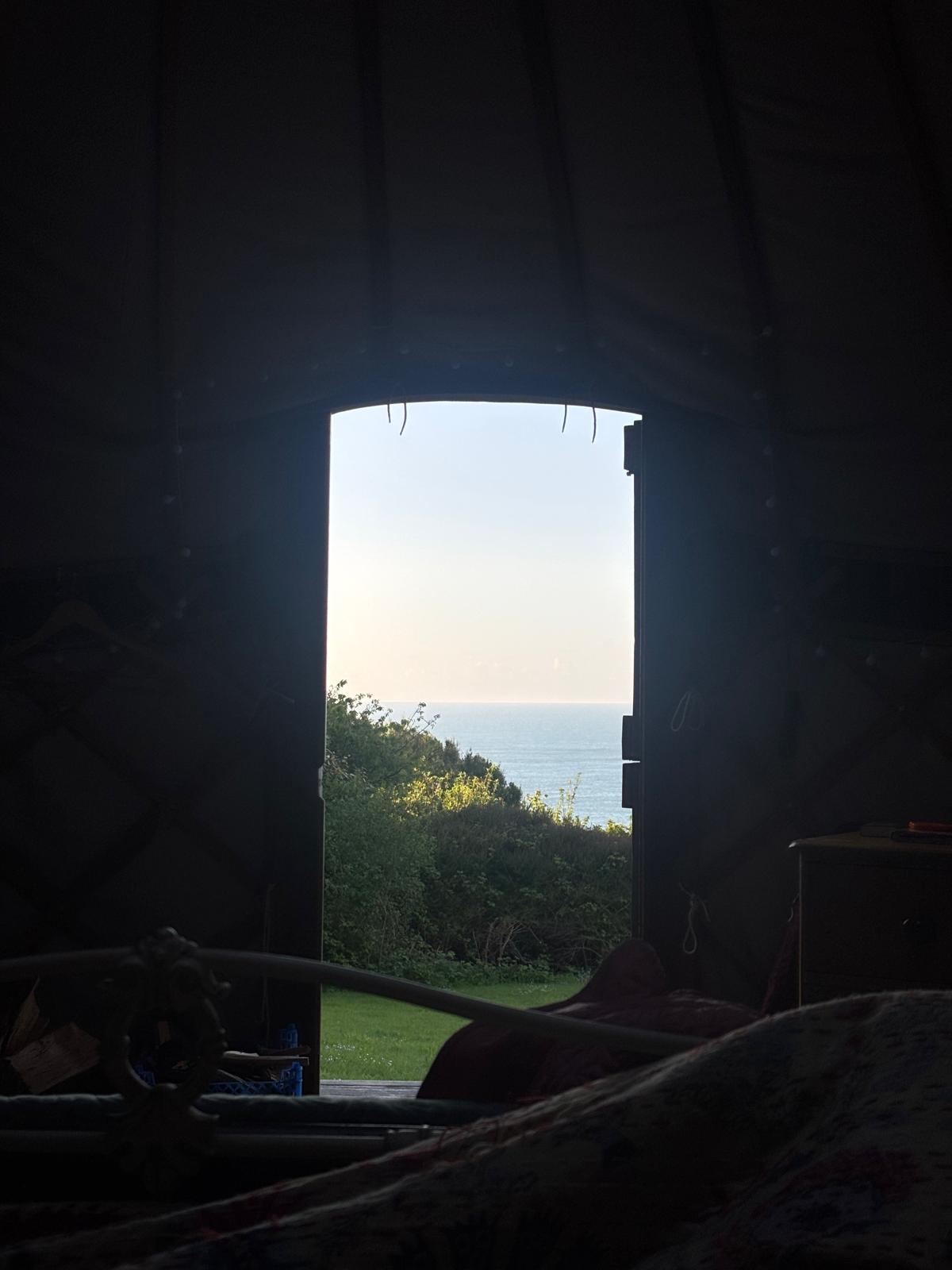
The following is a picture of where we stayed during this weekend, an amazing place my partner found, we stayed in a “Yuk”, and had an out door, bath, toilet, and shower, with a staggering view of the ocean to ourselves.


Leave a Reply