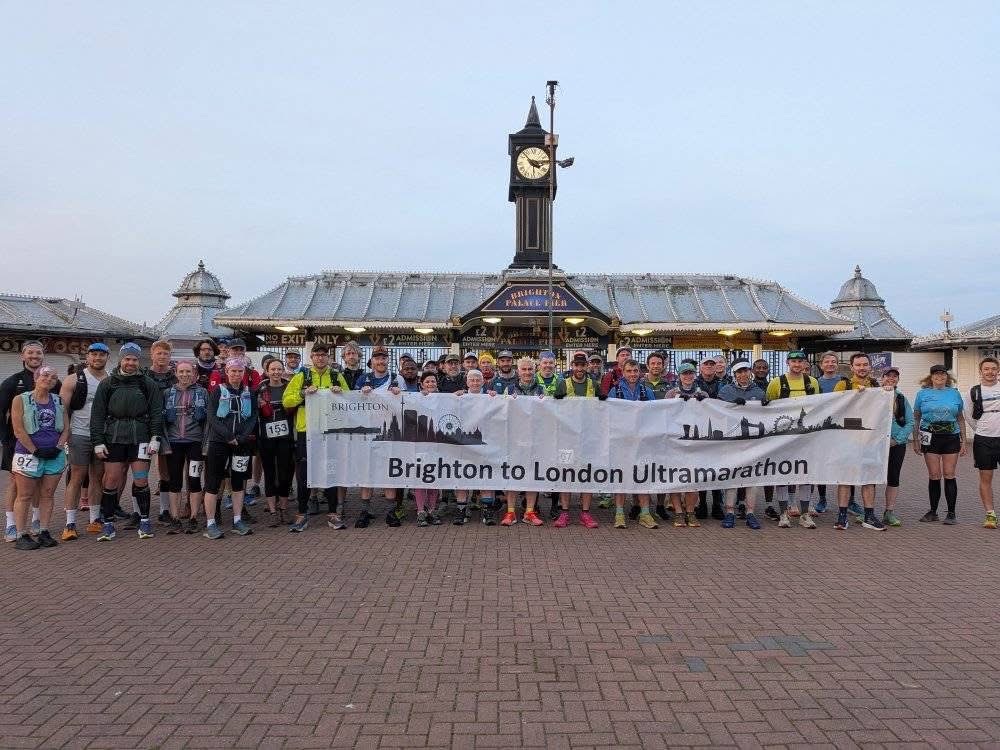
The Brighton to London ultra is a 100 km race organised by Beyond Marathon. It starts at 6 AM in front of the Brighton pier and ends in Kingston-Upon-Thames.
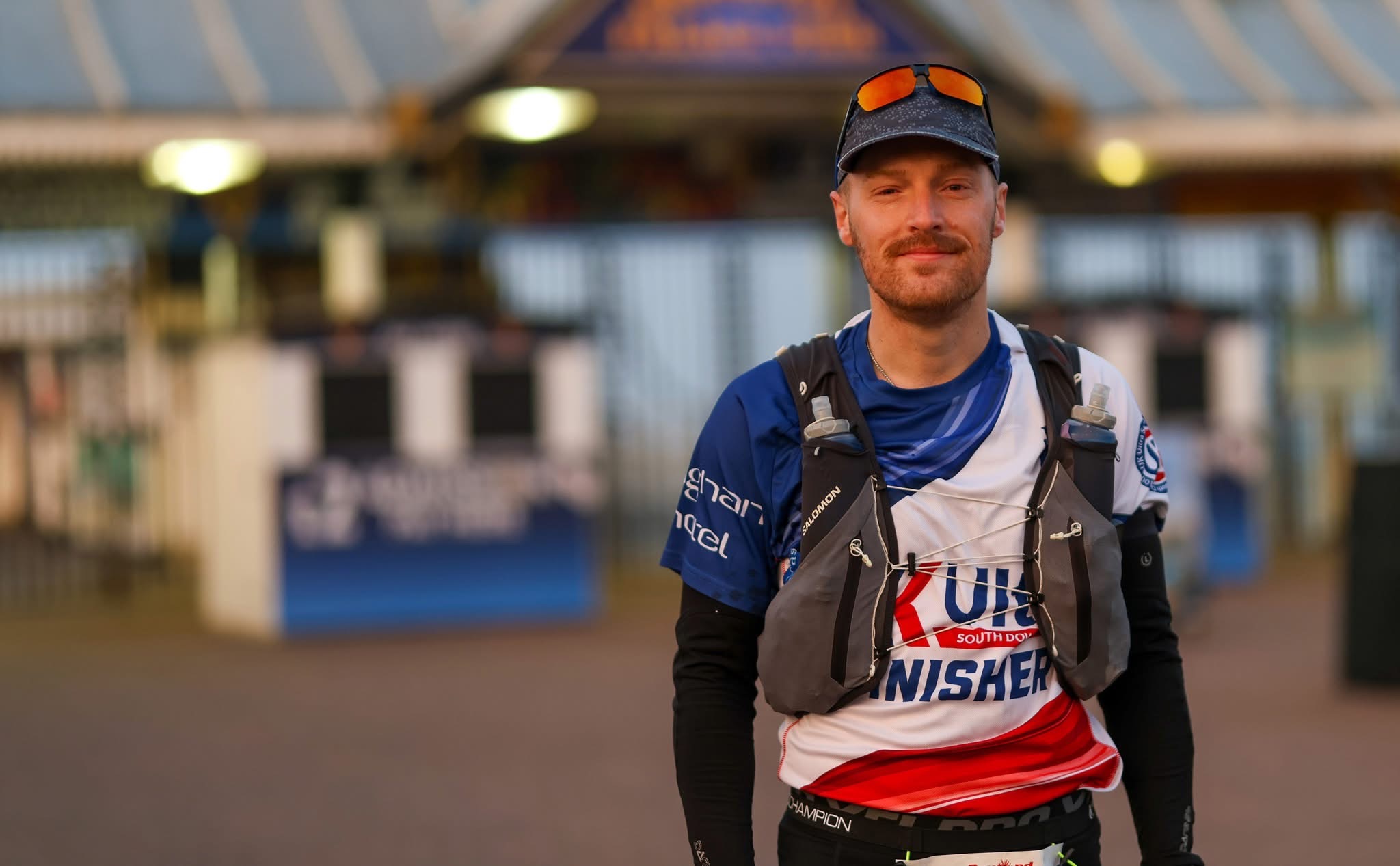
The climbing begins almost immediately, with the course taking runners up through the South Downs National Park. After that, it settles into a mostly runnable but undulating mix of road, technical trails, and compacted paths, accumulating around 1,500 meters of elevation gain overall.
This race marked the first event of my 2025 season — and the start of an ambitious challenge: three consecutive weekends of 100km+ races. First Brighton to London, then the Isle of Wight Ultra 100km, followed by a return to the Brighton Backyard Ultra, where I’ll attempt to run at least 24 yards (100 miles).
Pre-Race Build-Up
Preparation for this race wasn’t ideal.
It had been six months since my last ultra, as my winter focus had shifted to shorter, faster goals: chasing a sub-20 5K and a sub-1:30 half marathon, both of which I managed to achieve. However, this shift in training led to an Achilles tendon injury, significantly affecting my build-up.
In the month leading up to the race, I relied heavily on cross-training. Even on race day, my Achilles wasn’t fully healed — I had to strap it up carefully and manage my expectations accordingly.
Despite the setbacks, the goal was clear: finish in under 12 hours to earn the special gold medal — a milestone I’d wanted to achieve for a long time.
Strategy and Execution
I formulated a pacing and nutrition strategy with the help of AI (these can be found here). I specifically wanted to know:
- What time I needed to pass each checkpoint
- How much of which of my nutrition products I needed to consume between checkpoints
I didn’t stick to the planned strategies perfectly, but they did help me stay focused. I always had in the back of my mind “should I be consuming calories now”, “could I be running now?”.
I did not factor in taste fatigue and general physical fatigue as much as I should have, as the last couple of segments were slower than planned, and I started to get stitches from the salt and gel intake. Switching to some checkpoint foods helped. I started to consume 500ml of Coca-cola, Banana, and even a little bit of Pot Noodle from checkpoint 4 onwards.
Race Experience
The checkpoints were minimal. Which was very helpful. The first three checkpoints were just a couple of tables set up outdoors, with standard sweet and savoury snacks, Coke and juices, and that was it.
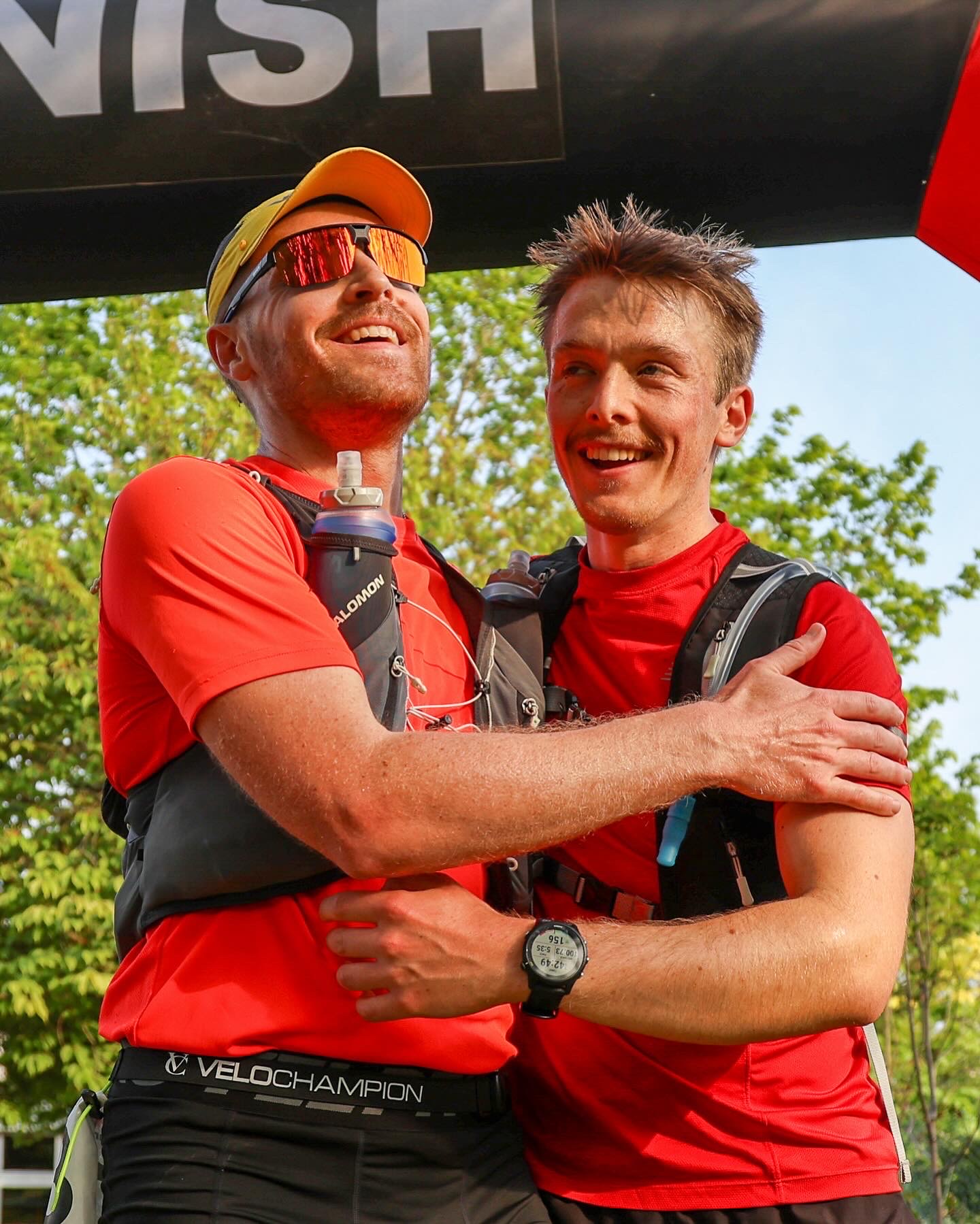
I paired up with a young guy called Toby quite early on. It was his first ultra, and he was raising money for charity. His goal was also to try to go sub-12 hours, so we decided to stay together which really helped tick off the miles. His father joined us for the last 30 km which was a nice boost.
The weather got warm, not very hot, but it made the running challenging with the sun out and no clouds in the sky.
Gear and Learnings
I tried using a new shoe for the distance – the Brooks Glycerin Max. This is an ultra cushioned, but responsive shoe, ideal as a daily trainer. I did end up with more blisters on my feet than normal. I don’t know if this is because of the shoe, though, or if it was simply early-season foot conditioning. The Glycerins may have helped preserve my legs, though; my quads didn’t feel as dead as they usually do after running for so long. Although, I have been doing a lot more strength training in the lead up to this race, so I’m not entirely sure I can credit the shoe choice for this either. I think I will go back to the HOKA Speedgoat 5’s for the next race.
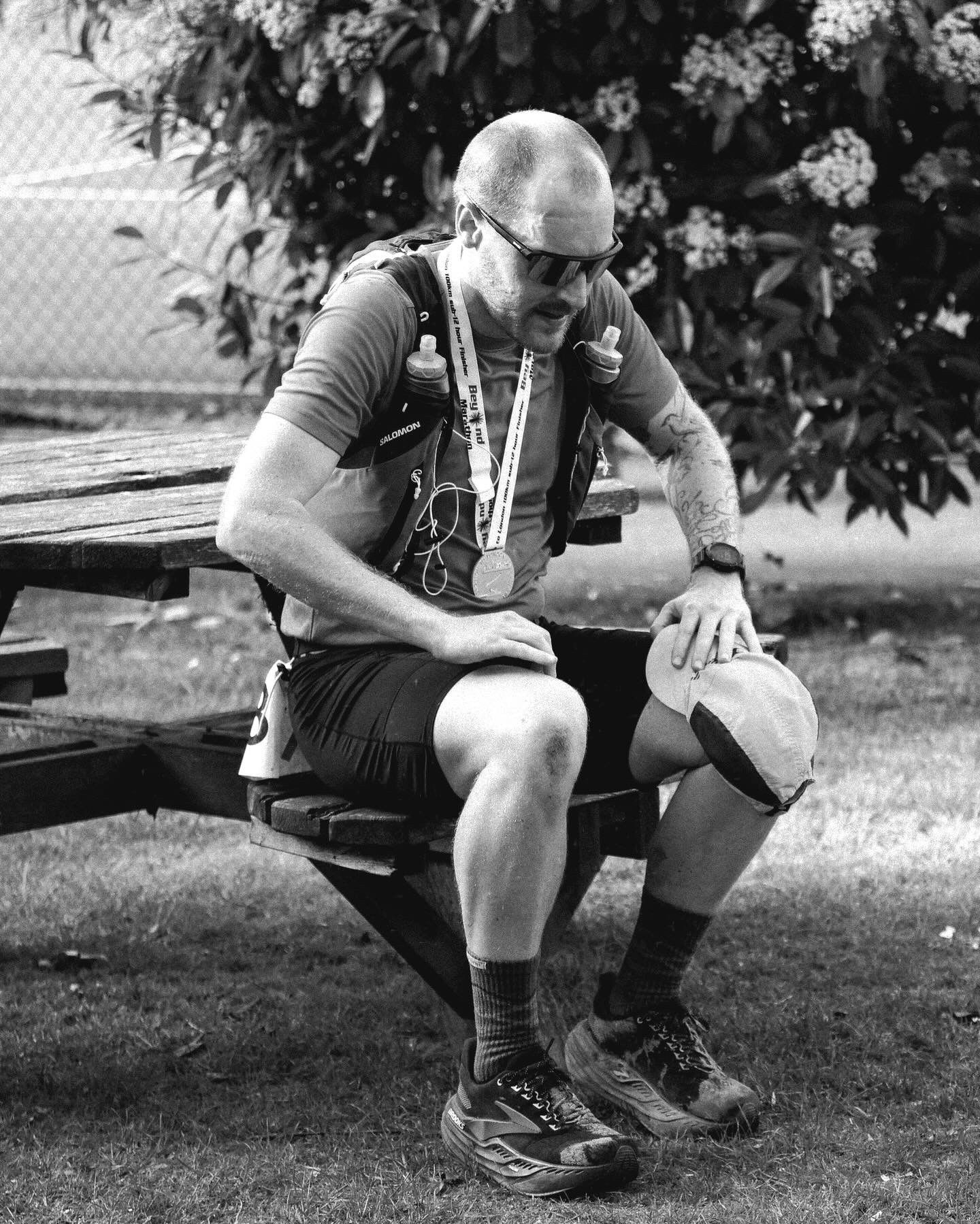
The race, in general, has a very low-key, no-nonsense vibe to it which I appreciated given I was trying to PB.
Generally, I am pleased with my performance. I was definitely under-trained though, so I think I could do better. I might have another chance to PB later this year at “Race to the stones”.
 Chris runs ultras
Leave a comment