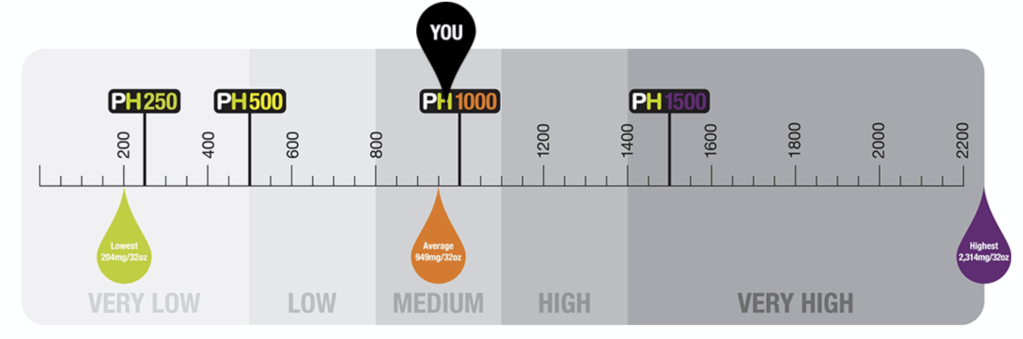
Everyone knows to rehydrate when exercising but many don’t consider the amount of sweat and sodium they lose (sodium is the key electrolyte lost in sweat). Cramp is every athlete’s nightmare and can ruin a race. The exact cause of cramp is debatable, but dehydration and loss of sodium is a significant contributing factor.
Research has shown that sodium replacement during prolonged exercise is critically important to maintaining fluid and electrolyte balance and muscle contractility (Anastasiou et al, 2009).
If you sweat regularly or engage in prolonged exercise, supplementing with electrolytes helps to replace sodium. Often, runners don’t know how frequently or how many electrolytes to consume. Replacing lost salt is person-specific and off the shelf ‘one-size-fits-all’ rehydration products may not work for everyone.
What is a sweat test?
A sweat test measures the amount of chloride in sweat. Chloride is one of the compounds found in sweat. The sweat test was originally designed to diagnose cystic fibrosis (CF) in babies because those with CF have higher levels of chloride in their sweat (www.cff.org). It was then adopted by the sporting world to better understand sweat loss in athletes and the rehydration strategies needed to optimise performance.
The amount of chloride or sodium lost during exercise can vary up to 15 times between seemingly similar individuals, from as little as 200 mg per litre up to 2000 mg per litre. A sweat test is useful to find out where you fall on the scale.
Sweat tests can help runners create a bespoke personalised hydration strategy i.e., when, what and how many electrolytes are needed before, during and after exercising. Typically, you only need to take the sweat test once as the loss of sodium is unlikely to change over time. It is largely genetically determined and remains relatively stable after infancy.
I had never considered doing a sweat test prior to entering The Marathon des Sables (MdS). However, when I was at the MdS expo in London in October 2023, a company called Precision Fuel and Hydration had a stall. Curiosity got the better of me and I took the opportunity to take one. I was anticipating running on a treadmill however the test is done at rest, whilst sitting down on a chair.
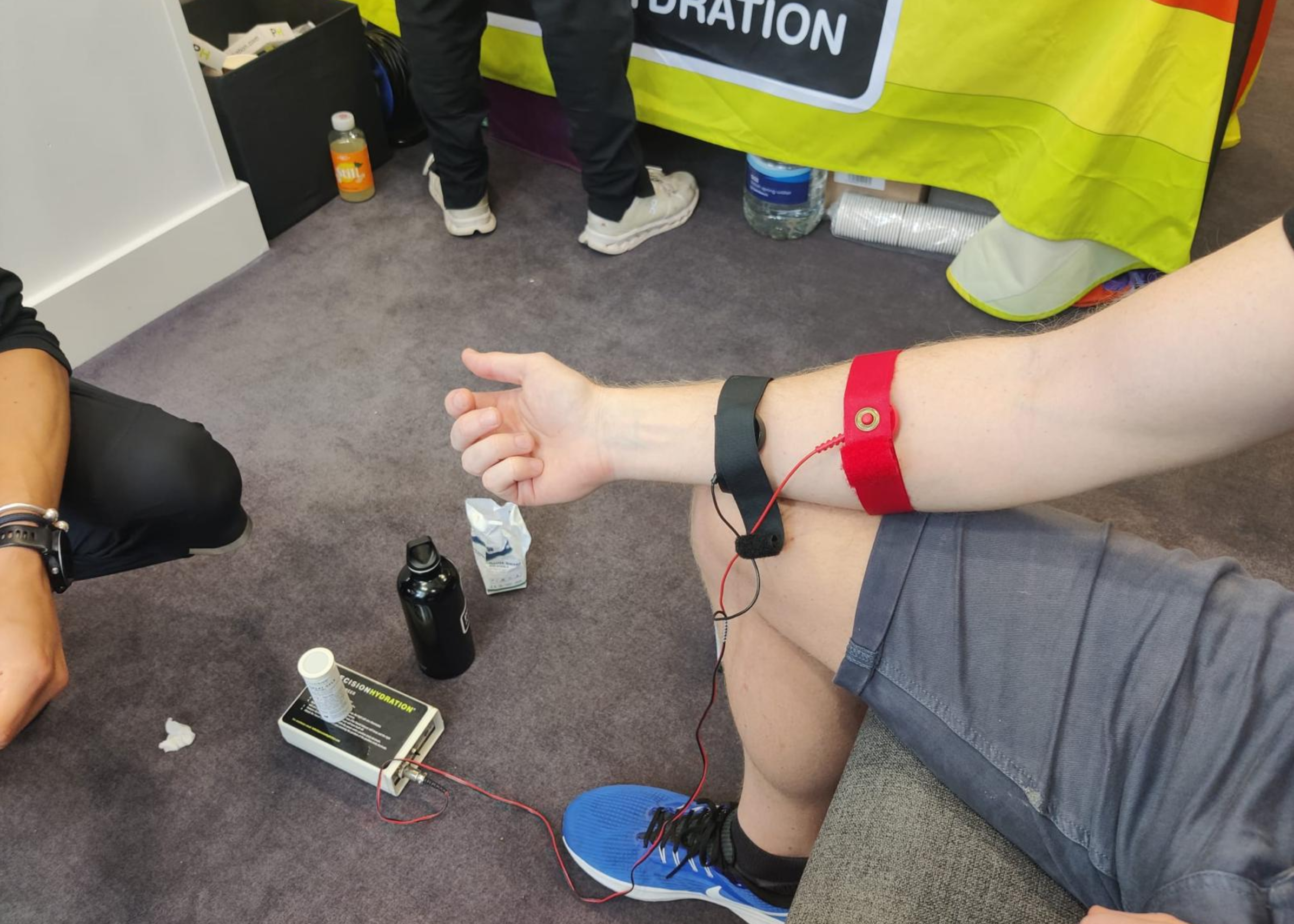
First, they place two straps onto your forearm which artificially induce sweating using light electrical stimulation. It’s a painless process called ‘pilocarpine iontophoresis’.
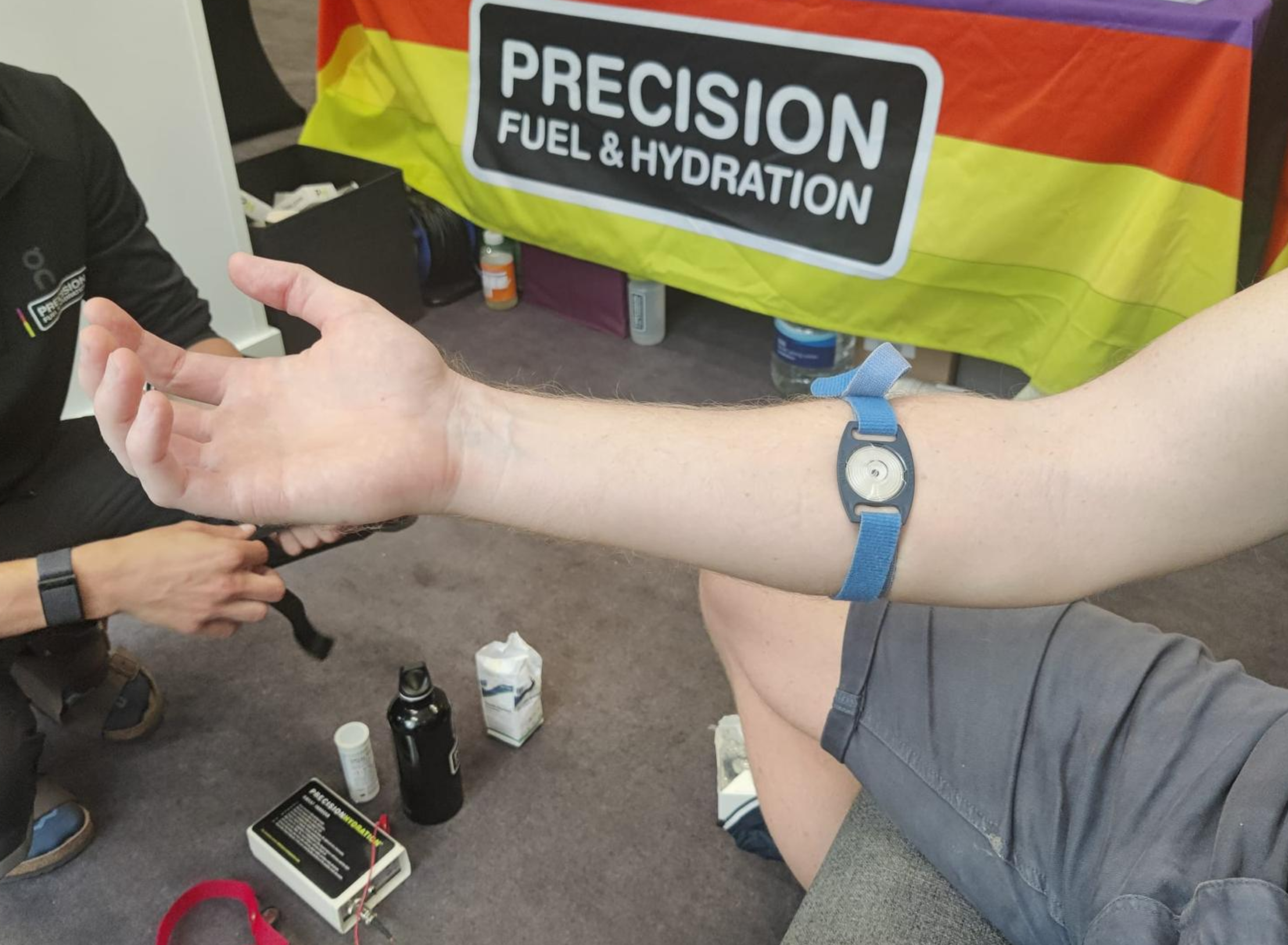
Next, they strap a device to your forearm to collect a sweat sample. What looks like a watch face is filter paper within a plastic coil. The sweat mixes with a chemical in the paper and the coil slowly fills with blue liquid, until full.
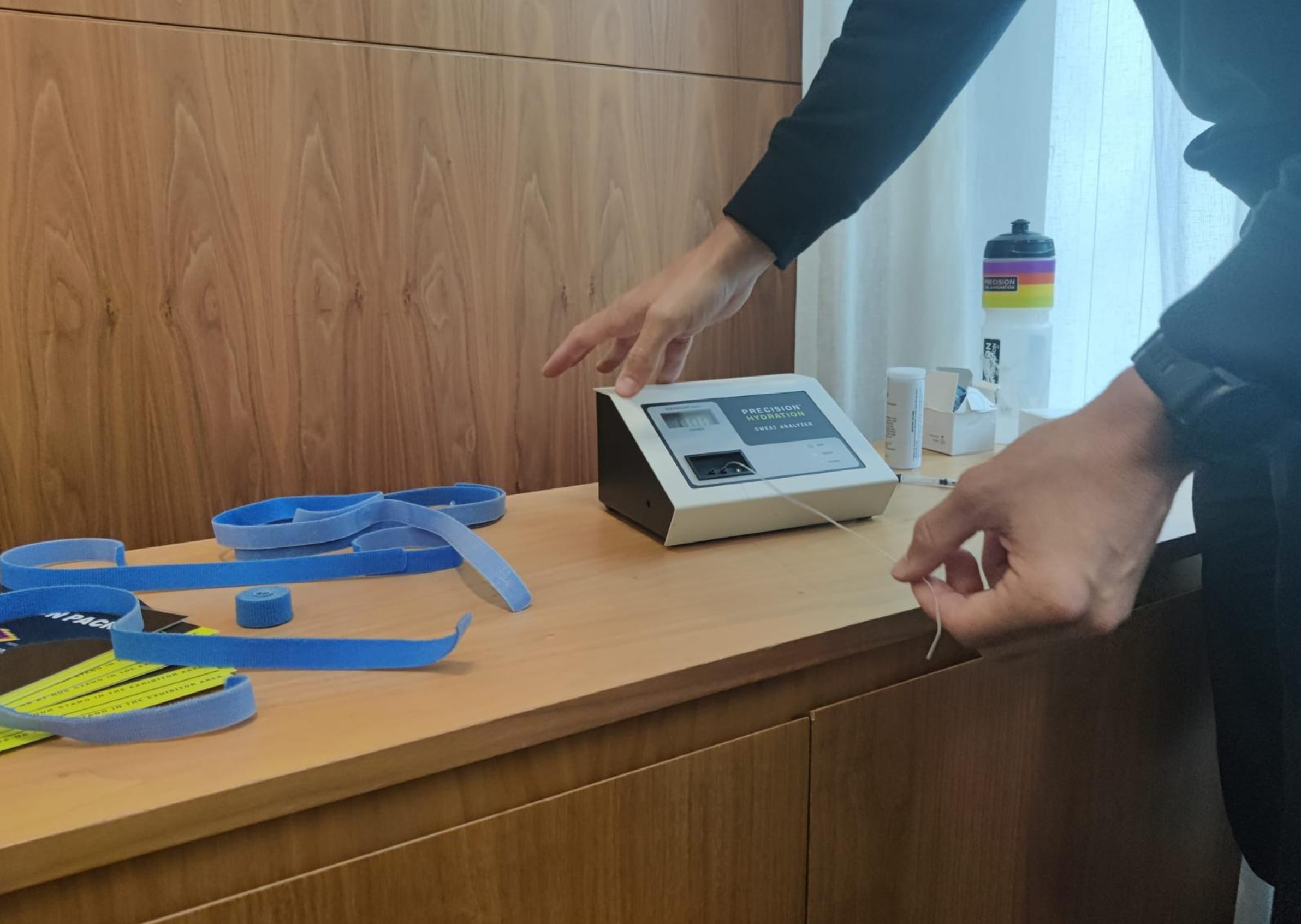
The sample is then entered into a machine and the salt within the sweat is measured. The test takes about 45 minutes from start to finish.
My sweat test revealed that I lose 983 mg of sodium per litre of sweat. For context, the average person’s sodium loss is 949 mg, which puts me slightly above the mean and classifies me as a moderately salty sweater. However, the sweat test only tells part of the story, as it only quantifies the amount of sodium lost per litre not how much I sweat.
To determine my sweat rate (and therefore total loss of sodium during exercise) further testing is required. I would need to weigh myself before and after prolonged exercise on three separate occasions to determine my total sweat loss.
Other factors would also need to be recorded e.g. the mode, length and intensity of exercise, how much water I drank, the temperature, whether it was outside or inside etc. The data is then entered into a spreadsheet, which calculates the amount of weight lost for the workouts and gives an estimate of the sweat rate expressed in litres per hour.
The sweat test is expensive; I was charged £125 by Precision Fuel and Hydration at the MdS expo. Many runners understandably may not be able to afford or justify the cost.
Furthermore, companies that facilitate sweat tests often suggest that you purchase their electrolyte products based on your result, as such it’s important to shop the market and make an informed decision.
Taking a sweat test and then engaging in further testing to determine one’s sweat rate may appear expensive, effortful and convoluted; especially because there is no guarantee that supplementing sodium will significantly enhance one’s performance in races.
Because I rarely cramp when exercising and stay relatively well hydrated, determining my sweat rate is not something that I feel compelled to investigate imminently. However, the sweat test has certainly made me question the strength, quantity and frequency of the electrolyte sachets that I take.
There are other ways to determine how much sodium you’re losing without taking a sweat test. Precision Fuel and Hydration highlight six things to look out for after prolonged exercise:
- Salty marks on your clothes and/or skin.
- Sweat tasting salty and/or sweat stinging your eyes.
- Feeling faint or having head rushes when standing up too quickly after exercise.
- Suffering from muscle cramp during/after long periods of sweating.
- Feeling ill after exercising in heat.
- Craving salty foods during or after exercise.
Written by Emily Nash
 Chris runs ultras
Leave a comment